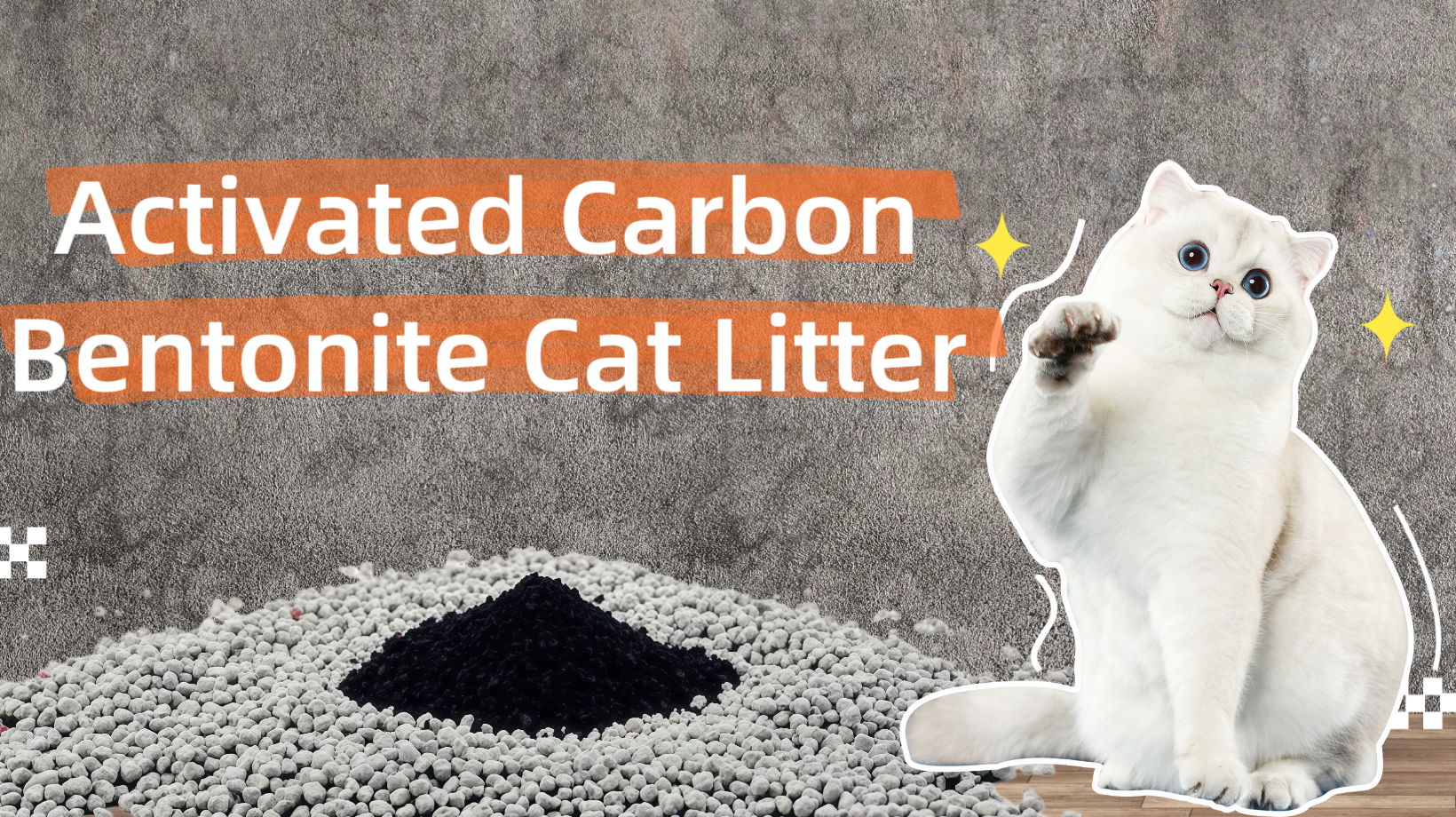
If you’ve sourced bentonite cat litter before, you’ve probably seen this happen: two suppliers quote the “same spec,” yet one batch clumps cleanly while the other turns muddy, dusty, or triggers odor complaints after shipping.
That’s because bentonite litter performance isn’t decided by a single line on a spec sheet. It’s the result of a chain—raw bentonite quality → modification (activation) → dust removal → particle sizing → moisture control → packaging & container loading.
This page is written for distributors, importers, and private label teams who care about one thing above all: stable performance, batch after batch—not just a low quote.
What is bentonite cat litter—and why it clumps
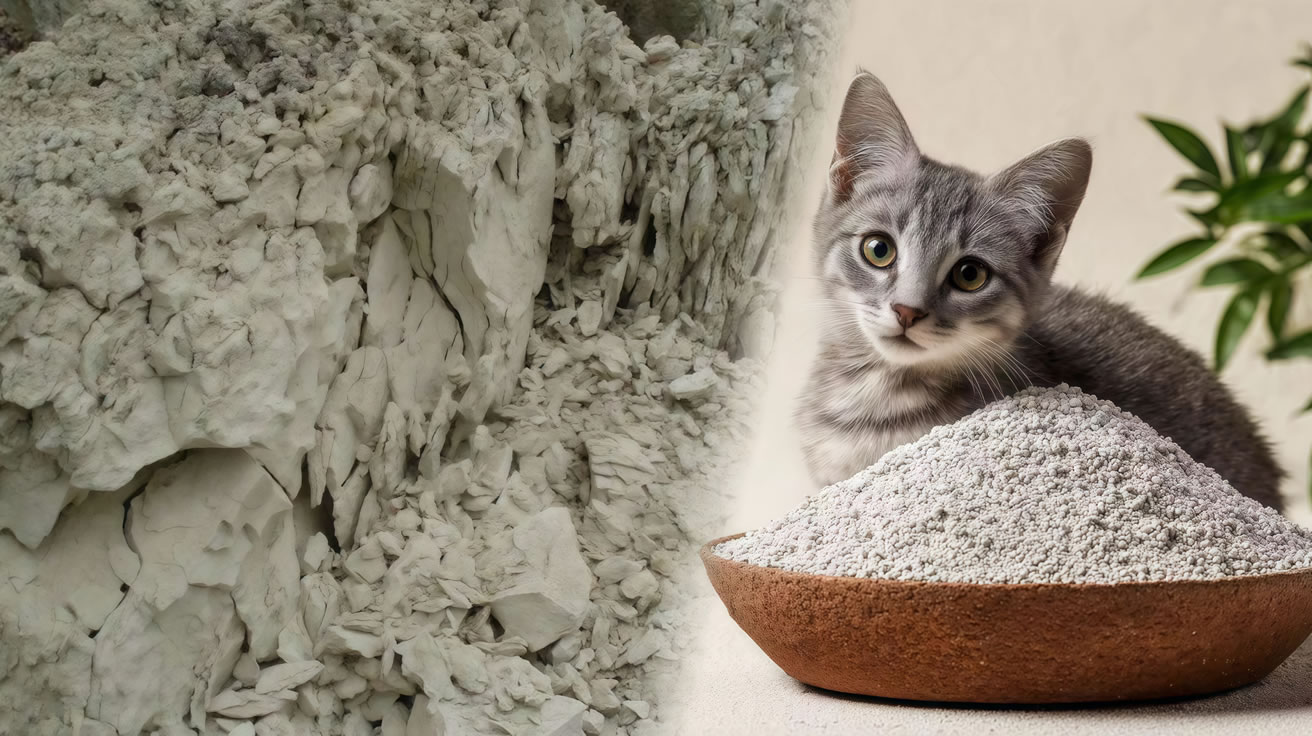
Bentonite cat litter is a clumping clay litter made primarily from bentonite, a clay rich in montmorillonite (smectite). The reason it clumps is straightforward in real-world terms:
-
The clay absorbs water,
-
the particles swell and bind together,
-
and a firm clump forms if the mineral type, particle structure, and moisture are controlled properly.
That last part is the catch: bentonite isn’t “just clay.” Two lots can look similar, but behave differently because deposits vary and processing choices matter.
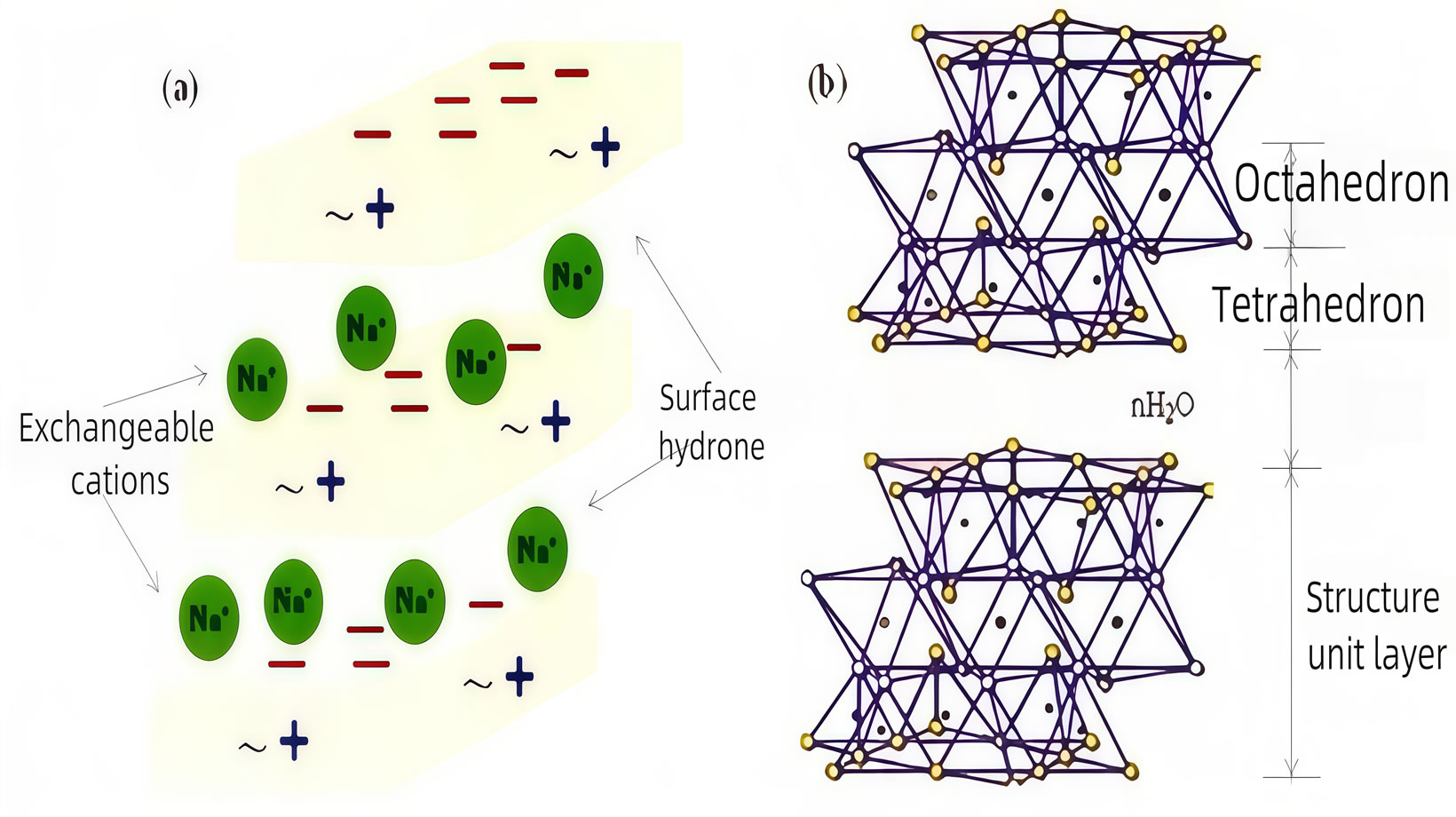
Sodium vs calcium bentonite: why “same spec” clumps differently
Buyers often hear “sodium is better” and stop there. The real purchasing takeaway is:
-
Sodium-type bentonite generally shows stronger swelling/clumping potential.
-
Calcium-type bentonite can be workable, but often needs activation and tighter process control to avoid batch drift.
Practical differences buyers actually feel (not lab jargon)
| Factor buyers notice | Sodium-type bentonite | Calcium-type bentonite |
|---|---|---|
| Clump formation | Typically faster/stronger | Often slower/weaker unless upgraded |
| Batch sensitivity | Still needs control, but more forgiving | More sensitive to moisture/processing |
| Risk profile | Supply/logistics cost can be higher | Quality drift risk if activation/QC is weak |
“Best bentonite” for cat litter: what private label buyers should look for
When someone says “best bentonite,” they usually mean best outcome:
-
Low dust + clean pouring
-
Reliable clumping (not just “hard,” but consistent)
-
Stable odor control logic (mineral performance first)
-
Fewer claims after shipping (breakage / leaking / dust complaints)
Important: “Best” is rarely a single origin label. It’s deposit + processing discipline + QC consistency.
If you’re building a premium private label bentonite cat litter, your sourcing goal is not “the cheapest clay,” but the least batch-to-batch surprise.
Bentonite modification (activation): what it is, and how to evaluate it
Many bentonite deposits are not naturally sodium-type. A common industrial route is soda ash activation—treating calcium bentonite with sodium carbonate to shift the clay’s behavior.
What activation tries to improve
-
swelling and dispersion behavior
-
clump formation consistency
-
odor adsorption potential (indirectly, by improving structure and moisture behavior)
What buyers should ask for
Instead of arguing about theory, ask your supplier for before/after comparisons from the same raw clay:
-
swelling/absorption trend (method declared)
-
particle integrity (breakage under compression/vibration)
-
dust/fines distribution (sieve-based)
-
batch-to-batch control evidence (3 consecutive batches)
⚠️ About “activation dosage”
Dosage varies by clay chemistry and target performance. If a supplier quotes a fixed recipe for every ore body, that’s a red flag. A serious supplier will talk about trial batches and control windows, not one magic number.
Dust control: why complaints appear after shipping
This is the part most factories underplay. Dust complaints often show up after container handling because:
-
granules can be brittle, and break under vibration/compression
-
fines can be present from the start, then get amplified
-
poor pallet stability deforms bags → granule crushing
-
broken bags create secondary dust + claims
What buyers should specify (instead of “low dust” as a slogan)
Ask for a fines definition tied to a sieve or particle threshold (supplier must declare the method). Example questions:
-
What % is below your defined “fines” size?
-
Do you have a dust control chart across batches?
-
Do you run multi-stage dedusting or only single screening?
Capability positioning: We run 5-stage dedusting and offer custom particle sizes (e.g., 0.35–3.8 mm and 0.5–2.0 mm) to balance low dust, clumping feel, and tracking control.
Particle sizing & moisture control: the two silent batch killers
Even with good clay, performance can collapse if these drift.
Particle size distribution (PSD)
PSD affects:
-
clump texture and “breakability”
-
tracking (too many small particles increases tracking)
-
dust risk (fines fraction)
We can tailor granule ranges for different channels—retail comfort grades vs wholesale economy grades—while controlling the fines fraction.
Moisture control
Moisture is a hidden reason “same spec” feels different:
-
too wet → muddy litter, weak clumps, odor complaints
-
too dry → brittle granules → breakage → dust complaints after shipping
We control moisture within a defined window per grade and verify it with batch checks—because moisture drift is one of the fastest ways to create clumping and dust inconsistency.
Odor control: mineral performance first, fragrance second
In bentonite, odor control isn’t just perfume.
A buyer-friendly way to explain it:
-
Mineral adsorption + stable moisture + stable granules is the foundation
-
Fragrance can improve first impression, but it won’t rescue weak mineral performance
-
Over-fragrancing can backfire (consumer sensitivity, perception issues, and sometimes it signals you’re masking poor base performance)
If you offer scented SKUs, position them as an option, not the core odor strategy.
Broken bag complaints: packaging, palletizing, and 20ft loading
If your market feedback includes “broken bags,” treat it as a cost problem, not a packaging problem. Breakage leads to:
-
direct claims
-
secondary dust complaints
-
hidden landed cost (returns, relabeling, rework)
What good packaging looks like
Bag construction
-
reinforced film or woven options for heavy packs
-
seal strength controlled (not just “looks thick”)
-
headspace managed (too tight bursts; too loose deforms)
Palletizing
-
corner boards + top boards
-
stretch wrap with consistent tension
-
pallet height controlled to avoid bottom-layer crushing
Container loading
-
avoid point loads near the door end
-
use anti-slip mats or dunnage when needed
-
consistent stacking pattern to reduce vibration breakage
20ft container loading logic (South America-friendly)
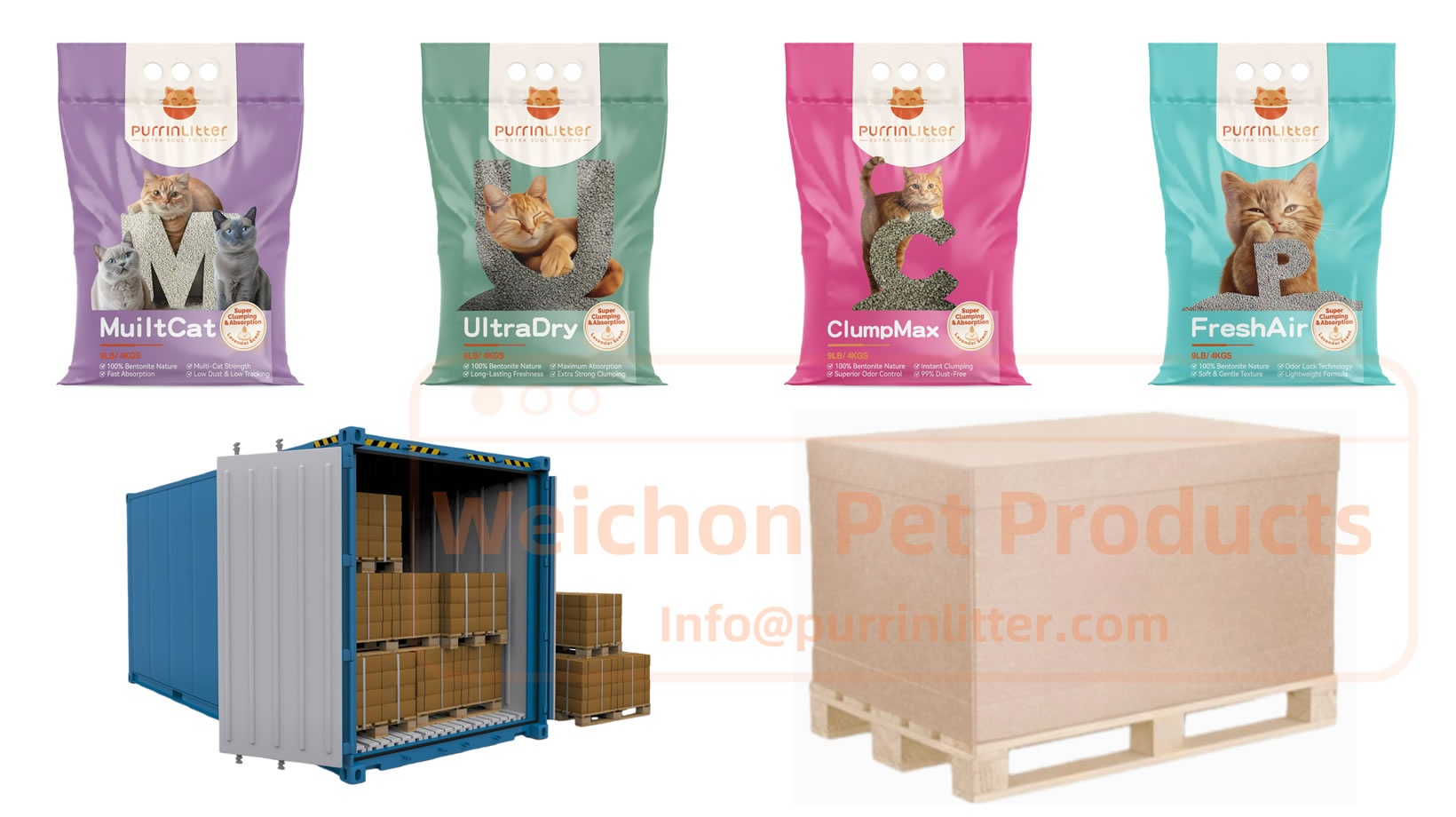
For South America, larger packs often work better for wholesale and price competitiveness. A practical mix strategy for a 20ft container
-
25 kg for wholesale / rebagging / price-driven channels
-
9 L for mainstream retail
-
4 L for trial SKUs and convenience
This combination helps distributors cover multiple channels without overstock risk.
| Pack | Typical channel | Why it helps |
|---|---|---|
| 25 kg | wholesale / distributors | best landed cost per kg |
| 9 L | mainstream retail | familiar shelf size |
| 4 L | trial / convenience | fast rotation, lower barrier |
We focus on bentonite cat litter only and build programs around four buyer outcomes:
-
low dust stability
-
reliable clumping performance
-
odor control logic (mineral first)
-
cost control through stable QC + optimized loading
Packaging options: 5L / 10L / 20L and 25kg bulk
Priority markets: South America (Brazil, Chile, Peru, Colombia, Argentina), then EU/US…etc
If you share your target market and pack sizes, we can recommend:
-
a grade + particle size range
-
a dust-control spec you can enforce
-
a 20ft loading mix plan (4L / 9L / 25kg) aligned with your channel
FAQ
Q1: Is bentonite the same as clumping clay litter?
Most clumping clay litters are bentonite-based because bentonite swells and binds when wet.
Q2: Sodium bentonite vs calcium bentonite—what’s the key buyer difference?
Sodium-type usually offers stronger swelling/clumping potential. Calcium-type can work, but often needs activation and stricter QC to avoid batch drift.
Q3: Why do dust complaints appear after shipping?
Vibration and compression can break brittle granules and magnify fines—especially when pallet stability and bag integrity are weak.
Q4: What should I specify for “low dust” bentonite cat litter?
Ask for a defined fines threshold + method (sieve-based) and require batch consistency evidence.
Q5: How do particle size ranges affect tracking and clumping?
More fines increases tracking and dust; overly coarse blends can reduce clump integrity. PSD needs to match your channel and consumer preference.
Q6: How do I reduce cat litter broken bag complaints in transit?
Control bag construction + seal + pallet stability + container loading pattern. Packaging is part of quality, not an afterthought.